
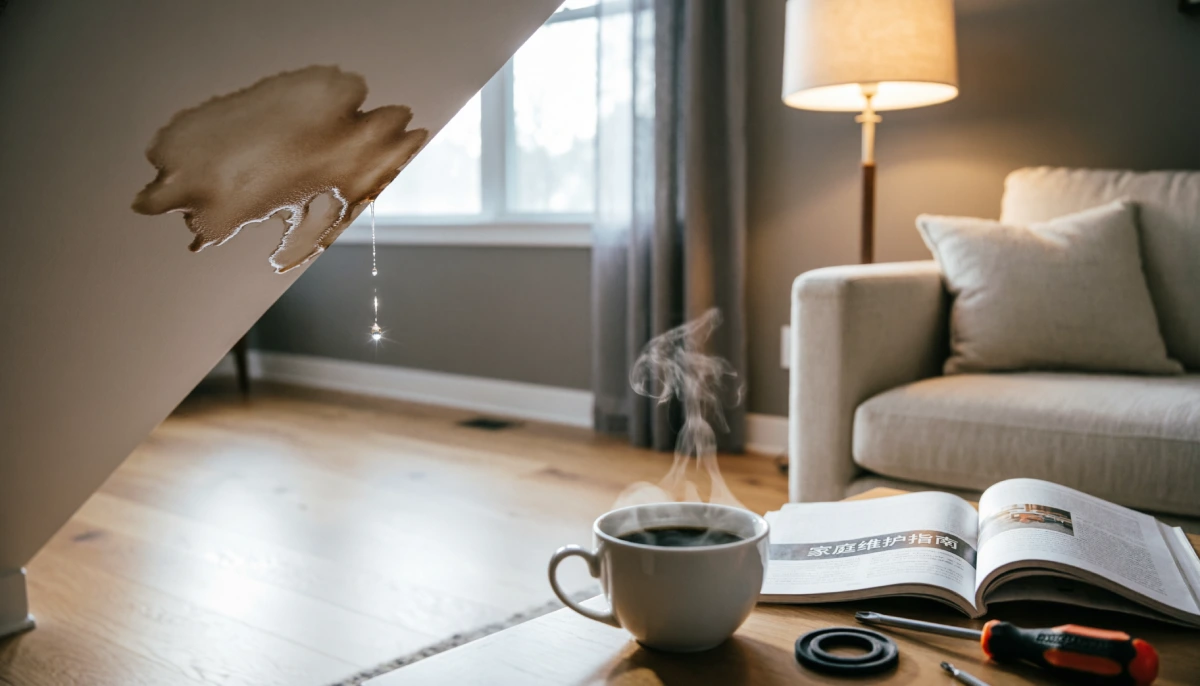
It is a Saturday morning. You sit down with your coffee. Then you notice a brown stain spreading across the ceiling.
You have no idea when it started. A contractor visit alone could cost $400 just to take a look.
This happens every day in homes across the country. Not because the damage was unavoidable — but because no one caught the warning signs early enough.
That is the exact problem DrHomey handy tips are designed to solve. These are not vague suggestions. They are simple, practical strategies built around one idea: small, consistent care stops expensive emergencies before they start.
This guide gives you the full picture — maintenance schedules, DIY repairs, design tips, smart home upgrades, and when to call a pro. If you want to stop being caught off guard, start here.
What Are DrHomey Handy Tips?
DrHomey is a home improvement platform. Its goal is to make homeownership feel manageable — not overwhelming.
The handy tips from this platform are not tricks or shortcuts. They are a structured way to run your home the way a professional would, using tools and time that real people actually have.
The core idea is simple: functional over flawless.
A house that looks great but constantly breaks down is a problem. A house that runs smoothly, even if it is not perfect, is an asset. DrHomey focuses on that second type — a home that supports your life instead of draining it.
Prevention is at the heart of everything. A $3 rubber washer replaced on time saves you a $600 emergency plumber visit. The math is not complicated. Building the habit is the hard part. This guide gives you the structure to do it.
The Essential Homeowner Toolkit
One of the biggest mistakes new homeowners make is buying a giant starter kit full of tools they never use. Build a small, focused set instead. These cover 90% of home repairs:
- Cordless drill (18V or 20V) — the most useful tool you will own. Hang shelves, assemble furniture, tighten hinges. Budget: $60–$120. Buy a brand that shares batteries across tools.
- Multi-head screwdriver set — one handle, multiple bits. Covers Phillips, flathead, and Torx.
- Adjustable wrench — handles most plumbing and appliance work. Replaces five fixed-size wrenches.
- Needle-nose pliers — for electrical work, bending wire, and tight spaces.
- Utility knife with lockable blade — cuts weatherstripping, scores drywall, opens packaging cleanly.
- 25-foot tape measure — non-negotiable. Measure twice, cut once.
- Putty knife and spackling compound — for drywall patches. Every home needs this eventually.
- Stud finder — saves you from drilling into nothing or, worse, into a pipe.
- Thermal leak detector — a simple infrared tool ($20–$40). Run it along window frames in winter to find cold spots costing you money on heating bills.
Skip: giant socket sets, oscillating multi-tools, and specialty saws — unless a specific project calls for them.
Interior Design Tips That Solve Real Problems
Good design is not just about looks. It affects how a room works, how easy it is to clean, and how you feel inside it. These DrHomey tips focus on changes that pay off every single day.
Use the 60-30-10 Color Rule
Picking colors for a room feels hard. This rule makes it simple.
- 60% of the room uses a dominant base color — your walls, main sofa, or large rug.
- 30% goes to a secondary color — curtains, accent furniture, or one painted wall.
- 10% is your boldest color — throw pillows, artwork, small accessories.
Stick to this ratio, and the room looks intentional. Break it, and it looks random.
Maximize Natural Light First
Before spending money on new light fixtures, check whether you are blocking the light you already have.
Heavy drapes, furniture pushed against windows, and dirty glass all reduce natural light. Swap dark curtains for sheer ones. Pull furniture a few feet away from windows. Clean the glass inside and out.
Then try the mirror trick. A large mirror placed directly across from a window reflects light into the room. It effectively doubles your light source — for free.
Layer Your Lighting by Function
Using one overhead light for an entire room is one of the most common design mistakes.
Instead, layer your lighting. Bright task lighting goes over kitchen counters and the stove. Warm, dimmable light works best in bedrooms. In the living room, combine floor lamps with a ceiling fixture so you can adjust the mood.
Smart bulbs with adjustable color temperature make this simple and affordable.
Home Organization: Systems That Actually Hold Up
A tidy home is not the result of a big weekend clean-up. It comes from systems that work without you thinking about them.
Build a Drop Zone
Every home has a natural dumping spot — usually the kitchen counter or the table near the front door. Stop fighting that habit. Design around it instead.
Install hooks near the entry for coats, bags, and umbrellas. Add a tray for keys and loose change. Put a small basket for mail that needs attention. When everyday items have a home exactly where you already drop them, clutter stops spreading into the rest of the house.
Use Your Vertical Space
Most homeowners use only about half their available storage. The reason? They only think horizontally.
Look at your walls. In most rooms, there are several feet of unused space above eye level. Floating shelves above desks and sofas can hold books, plants, and bins. Cabinets that reach the ceiling add real storage without adding footprint. Tall bookcases draw the eye upward and make low-ceilinged rooms feel taller.
The One-In, One-Out Rule
For every new item that comes into your home, one existing item must leave. Donate it, sell it, or throw it away. No exceptions.
This stops the slow buildup of stuff that eventually requires an entire weekend to sort through. It also makes you more deliberate about what you bring home in the first place.
The Preventive Maintenance Schedule
The most expensive home repairs are almost always preventable. The difference between a $4 washer and a $900 emergency plumber visit is just timing. Here is how to get the timing right.
Monthly Tasks (15 Minutes or Less)
- Check under all sinks for drips or moisture. A wet cabinet floor is always a warning sign.
- Test every GFCI outlet — the ones with the small buttons in bathrooms, kitchens, garages, and outdoors. Press the test button (the outlet should lose power), then press reset to restore it.
- Glance at the smoke and carbon monoxide detector indicator lights. Confirm they are on and not showing an error.
Quarterly Tasks (30–60 Minutes)
- Replace your HVAC air filter. A clogged filter forces your system to work harder and drives up energy bills. Check your manual for the right MERV rating — usually between 8 and 11.
- Fully test all smoke and CO detectors by holding the test button until the alarm sounds.
- Check your dryer vent for lint buildup. A blocked vent is one of the leading causes of house fires. It takes about ten minutes to inspect and clear.
Seasonal Task Checklist
| Season | Key Task |
|---|---|
| Fall | Clean gutters; seal gaps around windows; run a thermal leak detector along exterior walls |
| Winter | Check pipes in unheated areas for freeze risk; inspect door and window weatherstripping |
| Spring | Inspect the roof after winter; service the air conditioner before summer heat; check the foundation for pooling water |
| Summer | Pressure-wash exterior surfaces; inspect deck or patio for rot or loose boards; trim plants away from the house |
DIY Repairs Every Homeowner Should Know
You do not need professional skills for the most common home repairs. These four fixes cover the majority of what goes wrong in a typical house.
Fix a Dripping Faucet
Cost: Under $5 | Time: 20 minutes
One dripping faucet wastes roughly 3,000 gallons of water per year, according to the U.S. Environmental Protection Agency. In most cases, the cause is a worn-out rubber washer or O-ring inside the faucet handle.
Turn off the water supply valve under the sink. Unscrew the handle. Remove the old washer, bring it to a hardware store to match the size, and swap it in. That is the entire repair.
Patch Small Drywall Holes
Cost: Under $10 | Time: 45 minutes including dry time
Clean the edges of the hole. Apply spackling compound with a putty knife in two thin layers. The first coat shrinks as it dries, so a second coat levels it out. Once fully dry, sand it smooth, apply primer, and paint. The wall looks untouched.
For holes larger than a golf ball, use a drywall repair patch kit. The steps are the same — just a larger area.
Stop a Squeaky Floor
Cost: $2 | Time: 5 minutes
A squeaky hardwood floor makes noise because two boards rub together when you step on them. Dust talcum powder or powdered graphite into the cracks around the squeaky board. Walk over the area several times to work the powder in. The powder lubricates the boards and stops the noise. No nails, no sanding, no tools.
Fix a Stripped Screw Hole in Wood
Cost: $1 | Time: 10 minutes plus dry time
When a screw spins without gripping, the wood threads are gone. Dip two or three toothpicks in wood glue and pack them into the hole. Snap them off flush with the surface. Let the glue cure for one hour. You now have fresh wood for the screw to bite into. Works perfectly on cabinet hinges, door handles, and furniture legs.
The Most Costly Homeowner Mistakes
Knowing what not to do is just as valuable as knowing the right technique. These are the errors that cost homeowners the most money.
Mistake #1: Ignoring gutters until they overflow.
Clogged gutters push water back under your roofline. This rots the wood behind your gutters, damages shingles, and pools water around your foundation. Foundation repairs start at roughly $3,000. Professional gutter cleaning costs $100–$200 twice a year.
Mistake #2: Buying the wrong HVAC filter.
A filter with too high a MERV rating restricts airflow just as badly as a dirty one. Check what your unit actually recommends. Do not go higher just because the packaging says “better filtration.”
Mistake #3: Attempting DIY on the wrong projects.
The savings disappear fast when an amateur mistake turns a $200 fix into a $2,000 one. See the comparison table below for where the line sits.
Mistake #4: Ignoring phantom power.
Electronics on standby — TVs, gaming consoles, chargers, cable boxes — draw power around the clock. Research from Lawrence Berkeley National Laboratory estimates this accounts for 5–10% of a typical home’s electricity use. Smart power strips cut this at the source.
Mistake #5: Skipping moisture checks.
Mold grows in the dark, behind walls, and under sinks — long before you can see or smell it. A monthly look under every sink, combined with running bathroom fans for at least 20 minutes after showers, removes the conditions mold needs to grow.
Smart Home Upgrades Worth the Money in 2026
Most smart home gadgets solve problems you do not have. These three actually earn their place.
Smart thermostat ($80–$200, self-installed)
Heating and cooling account for roughly half of the average home’s energy bill. A smart thermostat reduces output when you are away and learns your schedule over time. Most units pay for themselves in energy savings within 12–18 months.
Smart water leak sensors ($15–$25 per sensor)
Place one under every sink, next to the water heater, and behind the washing machine. If a hose fails or a pipe leaks while you are away, you get an immediate phone alert. You can then shut off the main valve before serious damage occurs. Water damage is the most expensive type of home repair. These sensors are the cheapest way to protect against it.
Smart power strips ($25–$40)
They cut all power to standby devices with a single switch or on a set schedule. No app needed for basic models. They eliminate phantom power from entertainment systems and home office setups without requiring you to pull individual plugs from the walls.
DIY vs. Hire a Pro: The Decision Table
| Task | DIY | Hire a Pro | Reason |
|---|---|---|---|
| Replace the faucet washer | ✔ | — | Simple, low-risk, no special tools |
| Patch a small drywall hole | ✔ | — | Beginner-friendly, inexpensive |
| Replace the HVAC air filter | ✔ | — | No tools or technical skills needed |
| Install a smart thermostat | ✔ | — | Low voltage; clear manufacturer instructions |
| Fix a squeaky floor | ✔ | — | No structural work involved |
| Replace a standard light switch | ✔ with caution | Consider | Turn off the breaker first; test with a voltage meter |
| Upgrade the electrical panel | — | ✔ | High fire and electrocution risk; requires a permit |
| Remove a wall | — | ✔ | Load-bearing risk; structural permit required |
| Replace the roof | — | ✔ | Height danger; improper installation causes leaks |
| Repair a gas line | — | ✔ | Explosion and carbon monoxide risk. Never DIY. |
| Major plumbing reroute | — | ✔ | Permit required; one mistake causes severe water damage |
The rule is simple. If a mistake could cause a fire, a flood, a structural failure, or a gas leak — call a licensed professional. The savings are never worth that risk.
DrHomey Handy Tips for Renters and Apartment Dwellers
Most home maintenance advice assumes you own the property. If you rent, the approach shifts — but the principles are the same.
- Take dated photos on move-in day. Document every wall, floor, appliance, and fixture before you unpack. This protects you against unfair damage claims at move-out.
- Use adhesive hooks instead of nails. Command strips hold up to 7.5 lbs per strip and leave no holes in the walls.
- Own a basic toolkit. A drill, hammer, level, and tape measure cover most furniture assembly and minor fixes that are your responsibility as a tenant.
- Report maintenance issues in writing. A text or email creates a time-stamped record. Verbal conversations do not. Written documentation protects you if a repair gets ignored.
- Control your own energy costs. Replace bulbs with LEDs in fixtures you own. Use smart power strips. These habits follow you to your next home.
- Prevent mold before it starts. Run bathroom fans during and for 20 minutes after every shower. Leave a small gap between furniture and exterior walls for airflow. These habits cost nothing and prevent disputes on move-out.
The Bottom Line
The difference between a home that drains you and one that works for you is not money. It is consistency.
DrHomey handy tips work because they replace reactive panic with a simple, repeatable routine. Start small this weekend. Check under your sinks for moisture. Swap two bulbs for LEDs. Set a quarterly reminder to change your HVAC filter.
None of that takes more than 20 minutes. But done consistently, it compounds. Your home stays in better shape. It costs less to run. And it never surprises you with a crisis you could have seen coming three months earlier.
A well-maintained home is not a project. It is a habit.